$
$ Search




 ,
,




The biofuels industry has come a long way since its early days of small pilot plants and single-feedstock processing. In the U.S., the market was valued at USD 63.5 billion in 2023 and is projected to grow at a 5.1% CAGR through 2030 (Grand View Research).
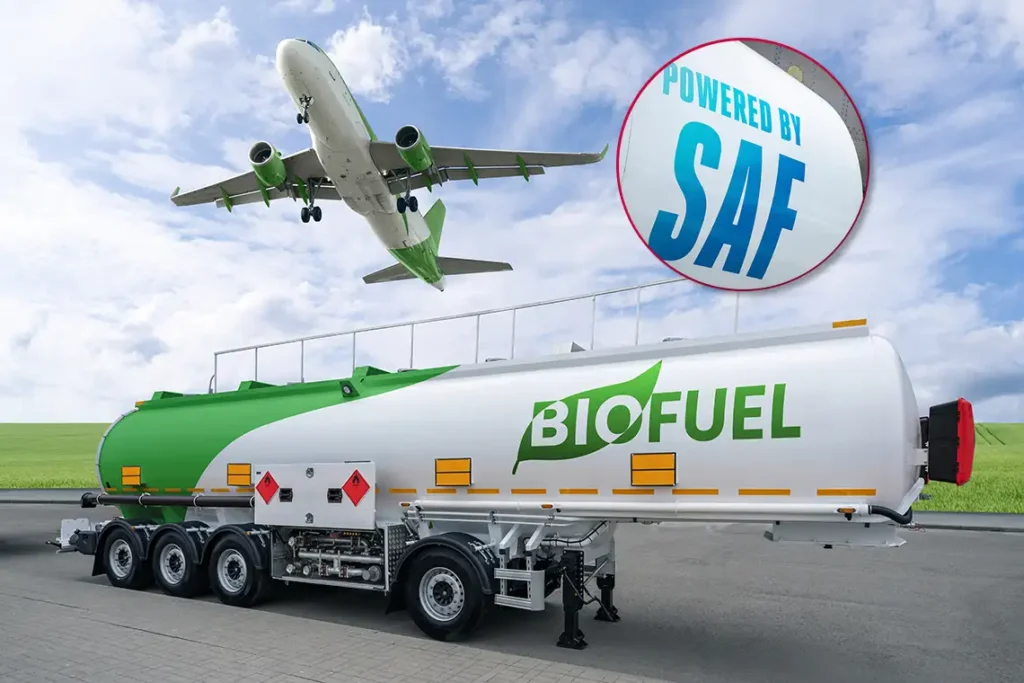
Sustainable Aviation Fuel (SAF) is a particularly fast-growing segment. Production capacity of SAF in the United States could increase from around 2,000 barrels per day (b/d) to nearly 30,000 b/d in 2024 if all announced capacity additions come on line. (EIA).
Today’s producers work with a wide variety of raw materials—from waste cooking oils and animal fats to advanced cellulosic biomass—and must meet increasingly strict safety, environmental, and quality standards.
In this environment, valve automation for biofuels is no longer just about opening and closing a flow path. It’s about ensuring precise process control, maintaining uptime, and protecting equipment and personnel under diverse and often demanding operating conditions.
As production methods evolve, so do the demands placed on valve automation systems. Producers need solutions that can handle more challenging media, integrate seamlessly with digital controls, and deliver long-term reliability—all without slowing down production schedules.
Evolving Valve Automation for Biofuels
As biofuel production scales up and diversifies, valve automation for biofuels must address a broader range of operating challenges than ever before. The demands of modern facilities go beyond simple actuation—they require smart, durable, and adaptable systems that can perform reliably under varying process conditions.
Key factors driving these evolving requirements include:
- Adaptability to varying process conditions
Biofuel feedstocks and production methods can change from one facility to another, and even within the same plant over time. Automated valve systems must maintain performance and reliability across a range of temperatures, viscosities, and flow rates to keep processes running smoothly. - Tight shutoff to prevent product loss and hazards
Whether it’s protecting downstream equipment or meeting environmental regulations, achieving zero-leak performance is critical in maintaining efficiency and safety. To meet these demands, engineers, maintenance teams, and operations managers rely on Assured Automation’s extensive line of valves for dependable automated control across biofuel processes. - Integration with modern digital control systems
Automated valves must work seamlessly with plant-wide control and monitoring platforms. This enables real-time data exchange, precise process adjustments, and remote operation—reducing the need for manual intervention. - Longer cycle life and reduced downtime
High-volume production demands components that can handle frequent actuation without failure. Choosing the right actuator type, sizing, and accessories helps extend service life while minimizing unplanned downtime.
By understanding and addressing these evolving requirements, biofuel producers can better position their operations for consistent output, regulatory compliance, and long-term profitability.
Smart Valve Solutions for Biofuel Systems
The next generation of biofuel plants is increasingly turning to smart valve solutions for biofuel systems to achieve higher efficiency, safety, and operational insight. These systems go beyond traditional open/close functionality by adding sensors, feedback devices, and connectivity that give operators greater process visibility—the real-time awareness of flow rates, valve positions, and performance trends across the plant.
This level of insight not only improves day-to-day operations but also creates the foundation for emerging industrial applications that use artificial intelligence (AI). By collecting and analyzing valve performance data, AI-driven systems can help predict maintenance needs, fine-tune process control, and identify ways to optimize energy use—supporting the industry’s push for both cost efficiency and sustainability.
Key ways smart valve technologies are making an impact include:
- Precision control through sensors and positioners
Feedback devices provide real-time information on valve position and performance, enabling precise flow adjustments that maintain product quality and process stability. - Remote monitoring for improved safety and uptime
Operators can oversee valve performance from centralized control rooms or offsite locations, reducing the need for manual inspections and enhancing response time during emergencies. - Modular actuator/valve designs for quick replacement
When downtime is costly, modular assemblies allow for fast swaps without disrupting adjacent system components, getting production back online faster. - Scalable solutions for any plant size
From pilot-scale operations testing new feedstocks to high-capacity facilities producing millions of gallons annually, smart valve automation can be scaled to match production needs.
By integrating these capabilities, biofuel producers can operate with greater confidence, knowing their valve automation is not only reliable but also adaptable to future process changes and technology upgrades.
How Assured Automation Supports Biofuel Producers
Assured Automation has a long history of supporting biofuel producers with reliable, application-specific valve automation solutions. In our earlier articles Valve Solutions for the Biofuels Industry and Thermal Safety Shut-Off and High Performance Butterfly Valves for Biofuel Producers, the focus was on the fundamentals of valve selection and safety requirements for biofuel production.
Today, those fundamentals remain valid and important—but production environments are more complex, and automation technology has advanced significantly. Assured Automation meets these evolving needs by offering:
- Custom-configured valve automation packages designed to match each plant’s process conditions and space constraints.
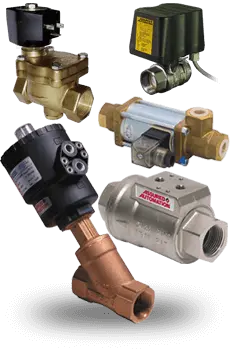
- A broad range of valve types for biofuel applications, including angle seat valves, stainless steel ball valves, flanged ball valves, 3-way flanged ball valves, and high-performance butterfly valves.
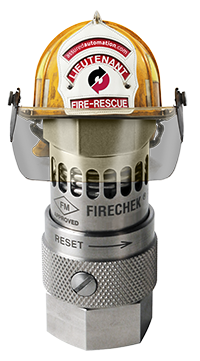
- Thermal safety shutoff valves for emergency fuel isolation, including FM Fire-Safe and Electro-Thermal ball and butterfly valve assemblies, FireChek heat-actuated shut-off valves, and thermally activated Emergency Isolation Valves (EIVs) that automatically close in case of fire to prevent fuel from feeding the blaze.
- Responsive technical support to help engineers specify the right solution quickly and confidently.
- Fast quoting and delivery, helping producers avoid costly project delays.
By combining proven valve expertise with up-to-date automation capabilities, Assured Automation helps biofuel producers operate more efficiently, safely, and sustainably—no matter the size or scope of their operation.
Key Takeaways:
- Valve automation for biofuels is evolving to meet more complex process demands, from handling diverse feedstocks to integrating with advanced control systems.
- Smart valve solutions provide real-time process visibility and pave the way for AI-driven optimization in industrial applications.
- Reliability, scalability, and reduced downtime are now top priorities for biofuel producers investing in automation.
- Partnering with an experienced supplier like Assured Automation ensures solutions are tailored to plant-specific needs and delivered with expert support.
Every biofuel production facility has unique automation challenges—but the right partner can help you meet them with confidence. Assured Automation’s team is ready to recommend and configure valve automation solutions that match your process, performance goals, and budget.
Contact us today to discuss your application and discover how our expertise can help you improve efficiency, enhance safety, and prepare your operation for the future.