$
$ Search




 ,
,




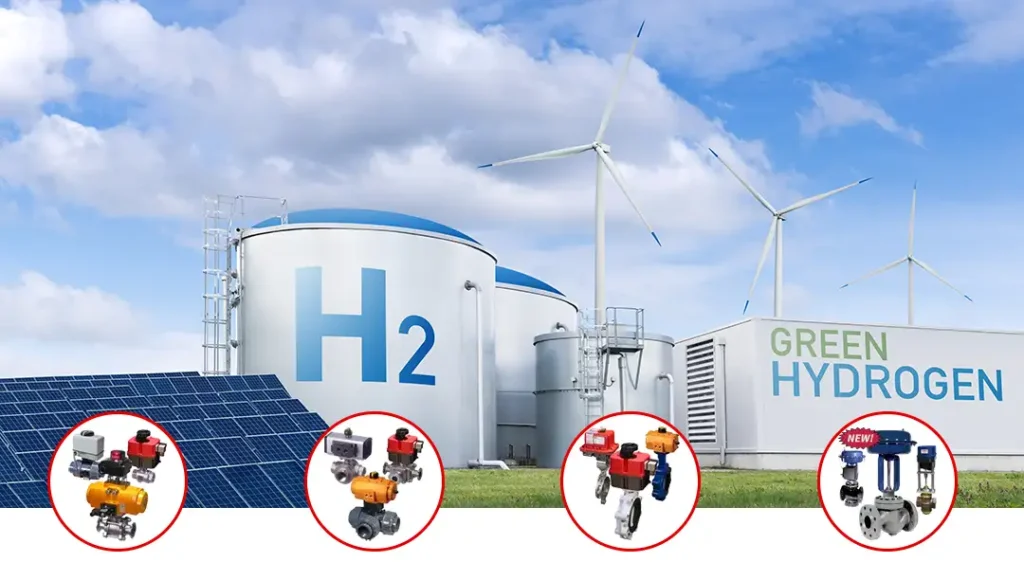
Automated valves for renewable energy applications are in high demand as clean energy projects expand globally. These systems require precise, reliable flow control.
From green hydrogen and solar to wind and biofuels, each application presents unique challenges — harsh conditions, remote locations, and variable operating loads.
Automated valves help meet these challenges by improving system efficiency, reducing manual intervention, and supporting sustainability goals.
In this blog, we’ll explore why demand for valve automation is rising and what engineers need to know when specifying valves for renewable energy systems.
The global valve automation market is expected to reach $207.45 billion by 2030, with a compound annual growth rate (CAGR) of 5.4% from 2023 to 2030. (Source)
Why Renewable Energy Applications Need Automated Valves
Renewable energy systems operate in dynamic, often remote environments. Weather conditions, load demands, and energy inputs can shift quickly—sometimes unpredictably. Think offshore wind farms, desert solar arrays, or green hydrogen plants near chemical facilities. Manual valve control is too slow and unreliable for these demanding conditions.
Automated valves for renewable energy applications provide precise, real-time control. They help maintain consistent flow rates, safe system pressures, and smooth operation across variable conditions.
Automation also enables remote monitoring and actuation. This reduces labor costs and improves worker safety by minimizing the need for on-site personnel.
In critical moments, automated valves respond instantly. Fast shutoff during a pressure spike or equipment failure can prevent costly damage.
Efficiency is another benefit. By regulating flow more accurately, automated valves minimize energy waste and emissions.
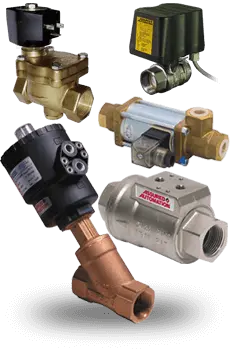
Assured Automation offers a range of actuated ball valves ideal for use in solar, hydrogen, and biofuel systems where tight shutoff and reliable performance are essential.
In short, valve automation is a requirement, not a luxury, in modern renewable energy projects.
Where Automated Valves Are Used in Clean Energy Systems
Automated valves perform a wide range of functions in renewable energy applications. Their roles vary depending on the system type and process requirements.
In solar thermal systems, valves control the flow of heat transfer fluids between solar collectors, storage tanks, and heat exchangers.
Biofuel production plants use valves to manage chemical feeds, temperature control, and steam flow in batch and continuous processes.
In wind power, automated valves are part of hydraulic pitch control systems and lubrication circuits for turbine gearboxes.
Green hydrogen production is especially valve-intensive. Electrolyzers require precise flow control of water, hydrogen, and oxygen streams. Safety shutoff and pressure relief are critical.
In energy storage systems, such as pumped hydro or thermal salt storage, valves regulate fluid transfer and ensure proper charging and discharging cycles.
Geothermal plants use automated valves to control steam flow, brine circulation, and reinjection processes — often under high pressure and corrosive conditions.
Across all systems, automated valves support three core functions:
- Flow control for efficiency
- System isolation for safety
- Remote actuation for reliability
These applications demand valves that perform consistently in harsh conditions — and often with little to no operator involvement.
Common Valve Types for Renewable Energy and Green Hydrogen Projects
Valve selection depends on the application. In renewable energy systems, certain valve types are commonly used due to their superior performance, durability, and automation options.
Actuated ball valves are a top choice. They provide quick shutoff, low pressure drop, and reliable sealing. These features make them ideal for solar thermal loops, biofuel lines, and hydrogen delivery systems.
For flexibility in flow direction, 3-way actuated ball valves are used in bypass loops, mixing, or diverting applications. These are common in thermal storage systems and fuel blending operations.
Assured Automation offers both 2-way and 3-way actuated ball valves that can be configured for electric or pneumatic operation.
Globe valves are preferred where flow modulation or throttling is needed. In green hydrogen production, they precisely control water feed, hydrogen output, and purge gas systems.
Assured Automation’s actuated globe valves are designed for precise regulation in demanding industrial environments.
For outdoor installations, such as wind and solar, UV exposure, moisture, and temperature fluctuations can degrade plastic components. Valves with metal bodies and weatherproof actuators last longer and require less maintenance.
High-performance butterfly valves are often specified for larger line sizes where space is limited and flow efficiency matters. Their compact design and reliable sealing make them a good fit for renewable systems with demanding flow conditions.
Read more in this article from Assured Automation.
Each valve type offers different benefits. The key is selecting the right one based on flow requirements, pressure, media type, and control needs.
How Valve Automation Supports Sustainability and Safety Goals
Renewable energy projects are built to reduce emissions and support a cleaner future. Automated valves play a quiet but vital role in achieving those goals.
By improving flow control, automated valves reduce waste and energy loss. Systems run more efficiently, which means lower carbon output over time.
In solar and biofuel systems, valves regulate temperature and flow to prevent overheating, leaks, and product loss — all of which impact sustainability.
In green hydrogen plants, automated shutoff valves reduce the risk of leaks and help contain flammable gas. This protects both people and the environment.
Remote actuation also eliminates the need for manual adjustments in hazardous areas. This improves worker safety and reduces the need for maintenance trips.
Fewer manual interventions also mean lower emissions from service vehicles, especially at large or remote installations.
Actuated valves support predictive maintenance by integrating with monitoring systems. This helps identify problems early, reducing downtime and preventing failures.
Simply put, valve automation helps renewable energy systems run cleaner, safer, and smarter — which is the whole point of sustainability.
Future Trends in Valve Automation for Renewable Energy Systems
As clean energy technologies evolve, so does valve automation. The next generation of automated valves will be smarter, faster, and more connected.
Digital integration is becoming standard. Automated valves now work with SCADA, DCS, and cloud-based systems for real-time data sharing and remote diagnostics.
This helps operators monitor valve performance and system health — even from hundreds of miles away.
Smart actuators with built-in sensors and predictive analytics are gaining traction. They can flag problems before they cause downtime, improving system reliability.
Wireless communication is also advancing. In hard-to-reach locations, such as offshore platforms or large solar fields, wireless valve networks simplify installation complexity and reduce costs.
As renewable energy systems scale up, so does the demand for modular, easy-to-configure valves. Engineers want plug-and-play options that work across multiple platforms.
Safety standards are also driving innovation. Hydrogen projects, in particular, require fast-acting, certified shutoff valves that can meet strict leak prevention requirements.
Finally, expect more material innovations — including coatings, composites, and alloys — designed specifically to meet the unique demands of clean energy systems.
For manufacturers like Assured Automation, this means staying ahead of technical needs while making selection and customization easier for engineers. Making valve automation easier has always been our strength.
Support for Your Renewable Energy Valve Applications
As the renewable energy sector grows, so does the need for automated valves that perform reliably in demanding environments.
Whether you’re designing a solar, hydrogen, or biofuel system, selecting the right valves is critical to long-term success.
Assured Automation offers a wide range of actuated valves, fast lead times, and expert support to help you specify the best solution for your clean energy project.
Contact our team today to discuss your application — and see how our valve automation expertise can support your sustainability goals.