$
$ Search




 ,
,




Designing valve automation systems is not just about selecting a valve and actuator that fit the pipe. Reliability, maintainability, and long-term performance are determined early—often before the system is ever installed. Poor design decisions may not show up on day one. They show up later as downtime, premature failures, and difficult maintenance.
Reliable valve automation systems are engineered, not improvised. The goal is simple—Build systems that work consistently, are easy to service, and perform as intended for years.
Why Reliability and Maintainability Must Be Designed In
Valve automation failures rarely come from a single component. Most problems trace back to design assumptions made early in the project. Undersized actuators. Incompatible materials. Poor access for maintenance. These decisions compound over time.
Reliability is not a feature. It is a system outcome.
Maintainability is equally important. If a valve automation system cannot be efficiently inspected, serviced, or repaired, downtime increases. Maintenance costs rise. Safety risks follow.
Designing for reliability and maintainability upfront reduces lifecycle costs. It also reduces surprises after startup.
Understand the Application Before Selecting Components
Every valve automation system starts with the application. Skipping this step leads to short service life and performance issues.
Key questions must be answered early:
- What media flows through the valve?
- What are the pressure and temperature ranges?
- How often will the valve cycle?
- Is the environment corrosive, wet, or washdown-intensive?
- Are there safety or fail-safe requirements?
Design begins with real operating conditions. Not catalog ratings. Not assumptions.
Understanding the duty cycle alone can prevent many failures. A valve rated for occasional operation may fail quickly in high-cycle applications. This is a common mistake.
Selecting the Right Valve for Long-Term Performance
Valve selection directly affects reliability and maintenance frequency. The wrong valve type may work initially but fail prematurely.
One advantage engineers have today is the ability to configure valve and actuator combinations correctly before ordering. Our website includes a build-and-buy configurator that allows users to select compatible valves, actuators, and accessories based on application requirements.
This helps reduce common selection errors, shortens specification time, and ensures components are properly matched from the start.
By configuring complete valve automation assemblies upfront, engineers can improve long-term performance, simplify procurement, and reduce rework caused by mismatched components.
Actuator Selection That Supports Reliability and Serviceability
Actuators must be matched to the valve and application. This step is often oversimplified.
Pneumatic actuators are widely used for their simplicity and reliability. Electric actuators are often selected where compressed air is unavailable or where precise control is required.
Refer to our article Determining Factors in Choosing Pneumatic vs. Electric Actuators.
Torque margins matter. Undersized actuators strain components and shorten service life. Excessive oversizing can create other problems, including unnecessary wear.
Fail-safe requirements must be addressed early. Spring return or double-acting designs affect safety, cost, and maintenance.
Actuator selection should support both operation and serviceability. Easy access to mounting hardware and accessories saves time during maintenance.
Designing for Maintainability and Reduced Downtime
One important element often overlooked is maintenance access. This becomes a problem once the system is installed.
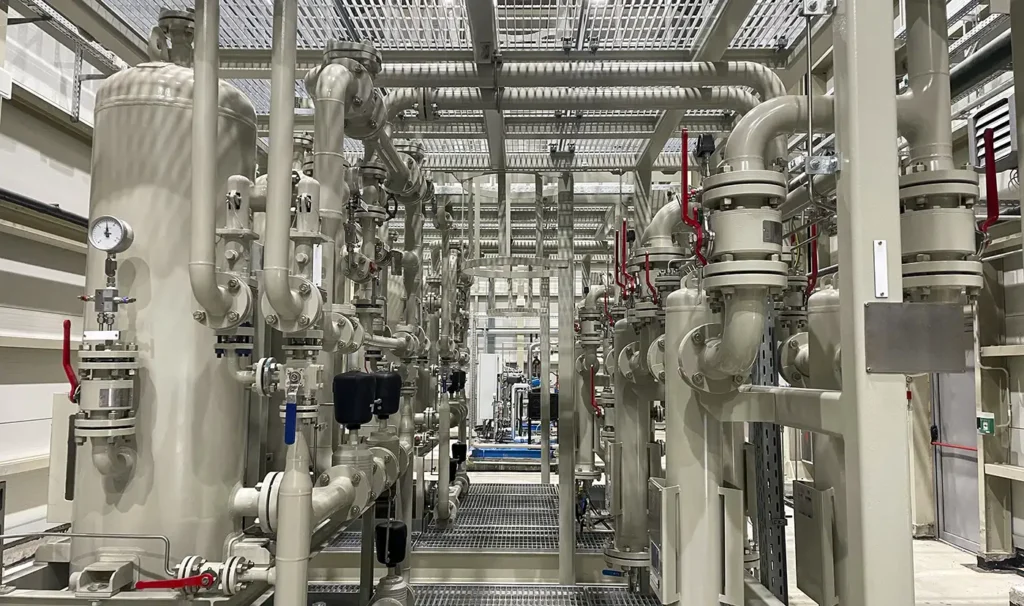
Valves and actuators should be accessible without removing surrounding equipment. Routine service should not require excessive disassembly.
Standardization helps. Using standard actuator models, accessories, and spare parts simplifies maintenance and reduces inventory costs.
Over-customization creates long-term headaches. Custom solutions should solve real problems, not introduce complexity. Designing for maintainability reduces downtime long after commissioning.
Controls, Accessories, and Feedback Devices Matter
Valve automation systems do not stop at valves and actuators. Controls and accessories play a critical role in system reliability.
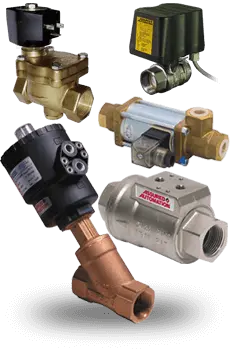
Positioners improve accuracy and repeatability. Solenoid valves control actuator response. Limit switches provide feedback for system monitoring. These components support diagnostics and troubleshooting. Without feedback, problems are harder to detect and resolve.
Single-point failures should be avoided. Redundancy and quality components improve system resilience. Ignoring accessories during design often leads to operational blind spots later.
Designing for Long-Term Performance and Total Cost of Ownership
Long-term performance is tied to the total cost of ownership. The initial purchase price is only part of the equation.
Reliable systems reduce unplanned downtime. Maintainable systems reduce labor costs. Durable components extend service intervals. Short-term savings often disappear quickly when maintenance and replacement costs accumulate.
Design decisions should be evaluated over the full system lifecycle. This approach leads to better outcomes and fewer surprises.
When Custom Actuated Valve Solutions Make Sense
Standard valve automation packages work for many applications, whereas custom actuated valve products and projects address unique challenges. These include space constraints, unusual operating conditions, or specific control requirements.
Custom solutions allow components to be selected and assembled for the application, rather than being forced to fit. This approach improves reliability and simplifies integration into existing systems.
Custom valve automation is not about complexity. It is about solving real problems effectively.
To summarize, designing valve automation systems for reliability, maintainability, and long-term performance requires more than component selection. It requires understanding the application, anticipating operational demands, and planning for maintenance from the start.
Good design reduces downtime. It lowers lifecycle costs. It improves safety.
If you are designing a new system or upgrading an existing one, talk to our valve automation experts.
We also support custom actuated valve products and projects when standard solutions are not enough.